The Power of Play Therapy
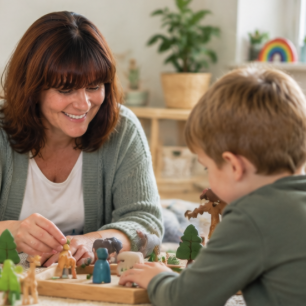
Play Therapy helps children understand difficult or confusing feelings and events that they haven’t had the chance to sort or process. Rather than having to find the words to explain what is troubling them, as adult therapy usually expects, children use play to communicate at their own level and at their own pace, without feeling interrogated or threatened. Instead of forcing them to talk about their problems, it uses toys, art, and games as their "words." It provides a safe space for them to process feelings, learn to cope with challenges, and express difficult emotions.

What is Play Therapy?
Play Therapy is a specialist therapeutic approach primarily designed for children aged 3–11 years, helping them to explore, process, and make sense of their experiences through play and creative expression. Just as adults often use words to talk about difficult thoughts, feelings, and experiences, children naturally communicate through play. Within a safe, accepting, and trusting therapeutic relationship, children can express emotions, work through challenges, develop resilience, build self-esteem, and strengthen their understanding of themselves and others.
While Play Therapy is traditionally associated with younger children, it can also be highly effective for adolescents and teenagers, particularly when talking therapies feel overwhelming, inappropriate, or do not meet their individual needs. Creative, sensory, and experiential approaches can provide an alternative way for young people to communicate, reflect, and process difficult experiences without relying solely on verbal discussion. Play Therapy can support children and young people experiencing anxiety, trauma, loss and bereavement, family change, attachment difficulties, school-related challenges, low confidence, emotional regulation difficulties, or other overwhelming life experiences, helping them to heal, connect, and grow at their own pace.

How Can Play Therapy Help?
Every child and young person is unique, and Play Therapy can be tailored to meet a wide range of emotional, behavioural, social, and developmental needs. Through a safe and supportive therapeutic relationship, children and young people are given the opportunity to explore their experiences, express difficult emotions, develop healthy coping strategies, build resilience, strengthen relationships, and increase confidence and self-esteem. Play Therapy helps children and young people make sense of their world, process challenges at their own pace, and develop the skills they need to navigate life both now and in the future.
Play Therapy may be beneficial for children and young people experiencing:
• Anxiety, worries, and low mood
• Low confidence and self-esteem
• Emotional regulation difficulties
• Trauma and adverse childhood experiences
• Loss, grief, and bereavement
• Family separation, change, or conflict
• Attachment and relationship difficulties
• School-based challenges, including school avoidance and EBSA
• Bullying and friendship difficulties
• Neurodiversity, including autism and ADHD
• Foster care, adoption, and care experience
• Significant life transitions and changes
• Difficulties expressing thoughts, feelings, or experiences verbally
• Challenges relating to identity, self-worth, and belonging
Play Therapy is not only helpful when a child is experiencing difficulties. It can also support emotional wellbeing, personal growth, resilience, social skills, self-awareness, and the development of positive relationships, helping children and young people to heal, connect, and grow.

What Does a Play Therapy Session Look Like?
Every Play Therapy session is unique because it is guided by the individual needs, interests, and developmental stage of the child or young person. Sessions take place in a safe, welcoming, and carefully prepared therapeutic playroom containing a range of creative, sensory, expressive, and play-based resources.
Depending on their age and needs, children and young people may choose to engage in activities such as creative arts, sand play, imaginative play, storytelling, role play, construction activities, sensory exploration, movement-based activities, games, or therapeutic conversations. Some children communicate openly through words, while others express themselves through their play, creativity, and interactions within the therapeutic space.
The therapist follows the child's lead whilst providing appropriate support, boundaries, and opportunities for reflection. There is no expectation for children to talk about difficult experiences before they are ready. Instead, the therapeutic relationship and carefully chosen activities help children explore feelings, process experiences, develop coping strategies, and build confidence in a way that feels safe and manageable for them.
Over time, sessions can help children and young people develop greater self-awareness, emotional regulation, resilience, communication skills, and a stronger sense of self, supporting positive change both within and beyond the therapy room.

How Do I Make a referral?
Referrals to New Ark Play Therapy can be made by parents and carers, schools, social care professionals, health professionals, and other agencies working with children and young people.
If you are concerned about a child or young person's emotional wellbeing, behaviour, relationships, confidence, or ability to cope with life experiences, you are welcome to get in touch to discuss whether Play Therapy may be appropriate. An initial consultation will be offered to explore the child's needs, answer any questions, and consider the most suitable support options.
Referrals can be made by:
• Parents, carers, and family members
• Schools, nurseries, and colleges
• Social workers and social care teams
• Virtual Schools and fostering or adoption services
• SEND teams and commissioners
• GPs, paediatricians, CAMHS, and other health professionals
• Family support workers and early help practitioners
• Other professionals working with children and young people
To make a referral, please contact me at, New Ark Play Therapy directly by email or telephone. Once a referral has been received, you will be contacted to discuss the child's needs, funding arrangements where applicable, and the next steps.
New Ark Play Therapy works collaboratively with families, schools, and professionals to ensure children and young people receive the support that best meets their individual needs.
Discover the Power of Filial Play Therapy
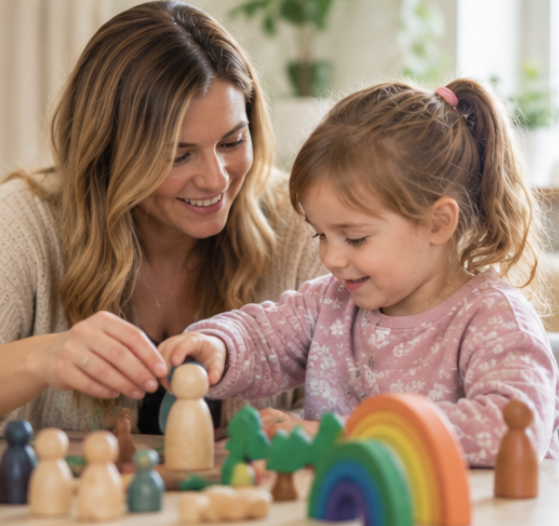
At New Ark Play Therapy, I believe that play is the heart of childhood, and when parents engage in play with their children, magical connections can blossom. Filial play therapy is a specialised and proven approach designed to equip parents with the skills needed to communicate and bond with their children through play. By creating a safe and joyful environment, parents can help guide their children's emotional and social development, thus enhancing the therapeutic experience.

What is Filial Play Therapy?
A Unique Family-Centered Approach
Filial Play Therapy is a specialist, evidence-based approach that strengthens the relationship between a child and their parent or carer through the therapeutic power of play. Rather than the therapist working directly with the child each week, parents or carers are supported and coached to become therapeutic agents of change within their child's life.
Through a structured programme of training, support, and supervised play sessions, parents and carers learn specialised play skills that help them better understand their child's thoughts, feelings, behaviours, and experiences. These skills enable them to create a safe, accepting, and emotionally attuned space where their child feels heard, valued, and understood.
Filial Play Therapy can support children experiencing anxiety, behavioural difficulties, attachment challenges, family change, trauma, low self-esteem, emotional regulation difficulties, and relationship challenges. It is particularly effective in strengthening parent-child relationships, improving communication, increasing emotional connection, and building confidence in both children and their caregivers.
At New Ark Play Therapy, Filial Play Therapy empowers parents and carers to support their child's emotional wellbeing beyond the therapy room, creating positive and lasting changes within everyday family life. By enhancing connection, understanding, and trust, families are supported to build stronger relationships and greater resilience together.

Benefits of Engaging in Play
Strengthening Family Connections
Filial Play Therapy offers benefits for both children and their parents or carers by strengthening relationships, improving communication, and building emotional connection. Unlike many therapeutic approaches, the skills learned through Filial Play Therapy can continue to support the family long after the programme has ended.
Benefits may include:
For Children
• Increased self-esteem and confidence
• Improved emotional expression and communication
• Greater emotional regulation and resilience
• Reduced anxiety, stress, and behavioural difficulties
• Increased sense of safety, acceptance, and belonging
• Stronger attachment and connection with parents or carers
• Improved problem-solving and coping skills
• Enhanced social and relationship skills
For Parents and Carers
• A deeper understanding of their child's feelings, behaviours, and needs
• Increased confidence in responding to emotional and behavioural challenges
• Improved communication and connection with their child
• Practical skills to support emotional wellbeing at home
• Reduced stress and frustration within family relationships
• Greater enjoyment and confidence in parenting
• Stronger attachment and trust within the parent-child relationship
For Families
• Strengthened family relationships
• Increased empathy and understanding between family members
• More positive interactions and shared experiences
• Improved family communication and connection
• Lasting skills that can be used throughout childhood and adolescence
Filial Play Therapy recognises that parents and carers are often the most important people in a child's life. By supporting and empowering caregivers with therapeutic play skills, meaningful and lasting change can take place within the family, helping children and parents to grow, connect, and thrive together.

What Does a Filial Play Therapy Session Look Like?
A Guided Journey for Families
Filial Play Therapy is a structured programme that supports parents and carers to develop therapeutic play skills and use them within special play sessions with their child. The focus is not on changing the child, but on strengthening the parent-child relationship and creating opportunities for connection, understanding, and emotional growth.
The programme typically begins with parent or carer sessions, where therapeutic play skills are introduced and practised. Parents learn how to follow their child's lead, respond empathically, set appropriate boundaries, and create a safe and accepting environment where their child feels understood and valued.
Once parents feel confident with these skills, they begin holding regular special play sessions with their child, usually lasting around 30 minutes each week. During these sessions, the child leads the play while the parent uses the skills they have learned to build connection, understanding, and trust. A carefully selected set of toys and creative resources is used to encourage expression, imagination, and communication.
Alongside these play sessions, parents attend regular review and coaching sessions with the therapist. These sessions provide an opportunity to reflect on experiences, celebrate progress, discuss any challenges, and further develop therapeutic skills. Depending on the needs of the family, sessions may involve observation, feedback, video review, modelling, and practical support.
Over time, Filial Play Therapy helps parents and carers become more confident in understanding and responding to their child's emotional needs. As the relationship strengthens, children often develop greater confidence, emotional regulation, resilience, and a stronger sense of connection and security within their family relationships. The goal is for the therapeutic skills learned during Filial Play Therapy to become part of everyday family life, creating lasting positive change long after the programme has ended. For more information about Filial Play Therapy, including whether it may be suitable for your child and family, please get in touch. I would be happy to discuss your circumstances, answer any questions you may have, and provide more detailed information about the programme and how it works.

Is Filial Play Therapy Right for My Family?
Nurturing Relationships Through Therapeutic Play
Filial Play Therapy can be beneficial for a wide range of children and families. It is particularly helpful when parents or carers would like to strengthen their relationship with their child, improve communication, better understand their child's emotional needs, or develop practical skills to support them through challenges and life experiences.
Filial Play Therapy may be appropriate for families where a child is experiencing:
• Anxiety, worries, or low confidence
• Emotional regulation difficulties
• Behavioural challenges at home or school
• Family separation, loss, or significant life changes
• Attachment or relationship difficulties
• Trauma or adverse childhood experiences
• Difficulties expressing thoughts and feelings
• Social or friendship challenges
• Neurodiversity, including autism and ADHD
The programme requires parents or carers to commit to regular sessions and dedicated special play times with their child. Many families find that this investment of time leads to stronger relationships, increased understanding, and lasting positive changes that continue beyond the therapy programme itself.
If you are unsure whether Filial Play Therapy is the right approach for your family, please get in touch. I would be happy to discuss your child's needs, answer any questions, and explore the most appropriate support options available.
Embracing the Whole Child at New Ark Play Therapy
At New Ark Play Therapy, we understand that each child is a unique individual with their own set of needs, feelings, and potential. Our holistic therapy approach ensures that we address the emotional, social, and developmental aspects of children's lives, creating a supportive framework where they can thrive.
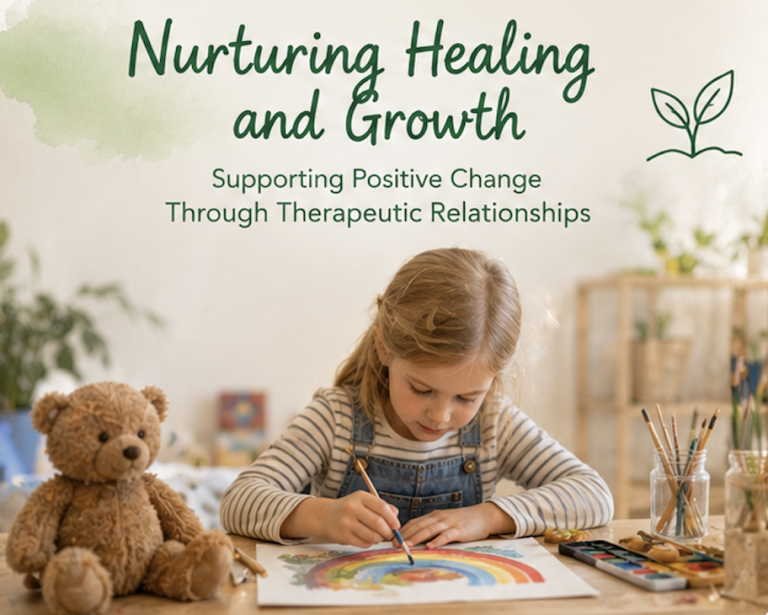
At New Ark Play Therapy, creating a sense of safety and building strong bonds is at the heart of everything I do. Children and young people thrive when they feel safe, understood, accepted, and connected to the people around them. Through Play Therapy and Filial Play Therapy, I provide a warm, nurturing, and non-judgemental space where children, young people, and families can explore experiences, process challenges, strengthen relationships, and develop resilience. By building trusting therapeutic relationships and working collaboratively with families and professionals, my aim is to help children and young people feel secure enough to explore their experiences, deepen connections, strengthen family relationships, and move towards healing, growth, and lasting positive change.
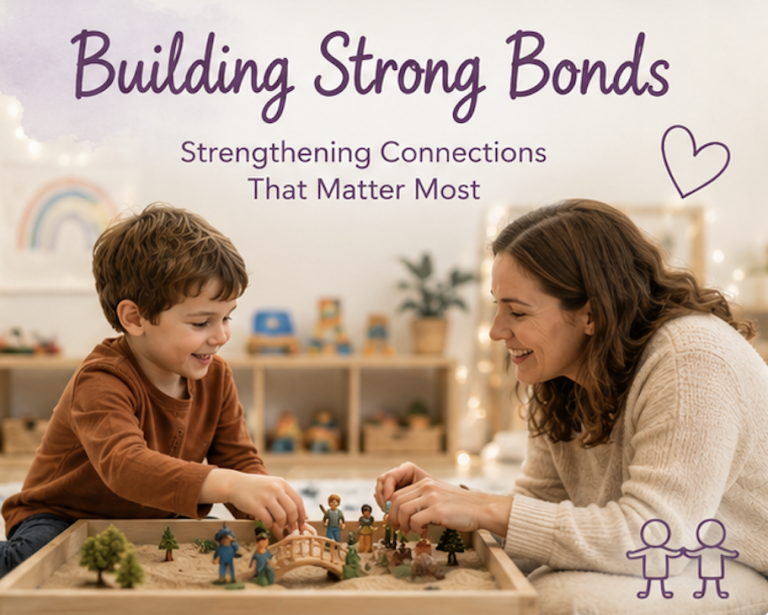
At New Ark Play Therapy, creating a sense of safety and building strong bonds is at the heart of everything I do. Children and young people thrive when they feel safe, understood, accepted, and connected to the people around them. Through Play Therapy and Filial Play Therapy, I provide a warm, nurturing, and non-judgemental space where children, young people, and families can explore experiences, process challenges, strengthen relationships, and develop resilience. By building trusting therapeutic relationships and working collaboratively with families and professionals, my aim is to help children and young people develop confidence, deepen connections, strengthen family relationships, and move towards positive change, healing, and growth.
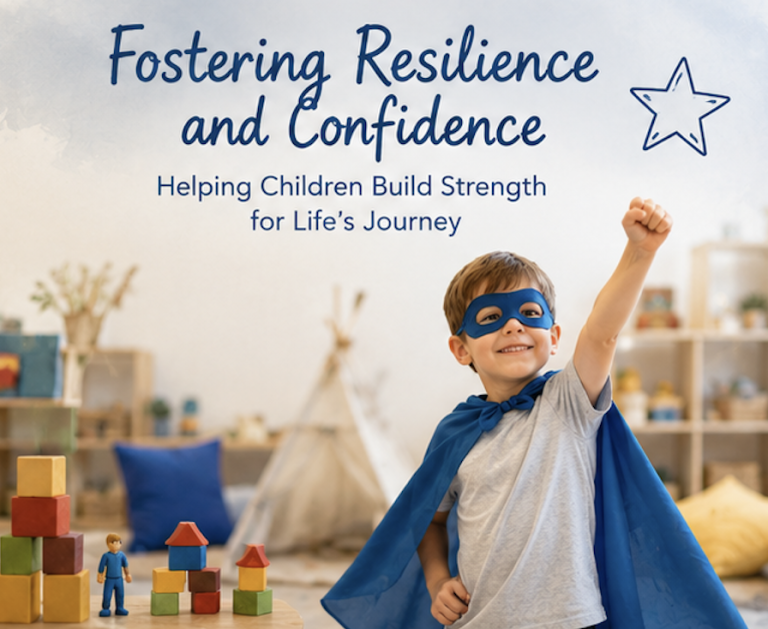
Resilience is not about avoiding difficulties; it is about developing the confidence, coping skills, and inner strength needed to face challenges and recover from them. Through supportive therapeutic relationships, children and young people are encouraged to recognise their strengths, develop self-belief, and build healthy ways of managing emotions and experiences. As confidence grows, children often become better equipped to cope with change, overcome obstacles, develop positive relationships, and approach new situations with greater independence and self-assurance. By fostering resilience and confidence, I aim to help children and young people develop the foundations they need to thrive both now and in the future.
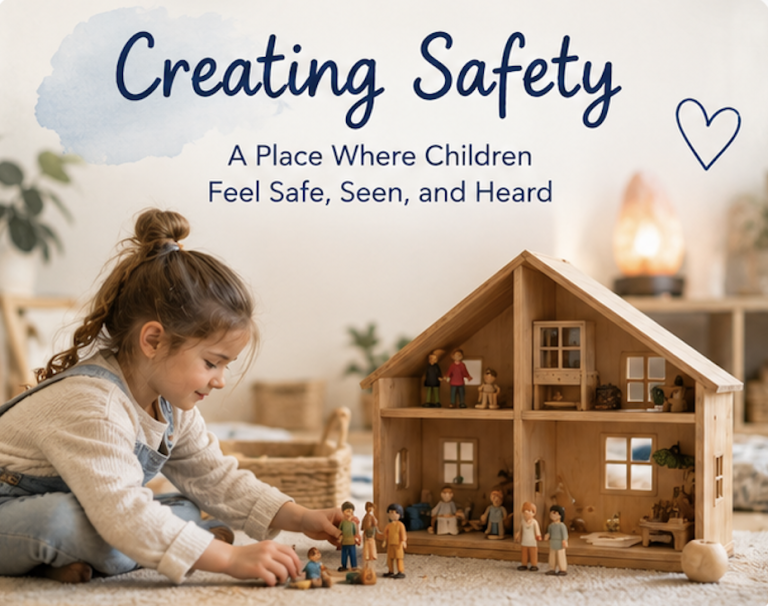
At New Ark Play Therapy, creating a sense of safety is at the heart of everything I do. Children and young people thrive when they feel safe, understood, accepted, and connected to the people around them. Through Play Therapy and Filial Play Therapy, I provide a warm, nurturing, and non-judgemental space where children, young people, and families can explore experiences, process challenges, strengthen relationships, and develop resilience. By building trusting therapeutic relationships and working collaboratively with families and professionals, my aim is to help children and young people feel secure enough to explore their experiences, develop confidence, strengthen connections, and move towards positive change, healing, and growth.
Supporting Children with SEND and Neurodiversity
Celebrating and Valuing Every Child's Strengths and Uniqueness
Every child experiences the world in their own unique way, and I am committed to creating a therapeutic environment where differences are respected, strengths are recognised, and every child feels valued for who they are. I have extensive experience supporting children and young people with Special Educational Needs and Disabilities (SEND) and a wide range of neurodiverse conditions, including autism, ADHD, sensory processing differences, speech and language difficulties, learning disabilities, and social, emotional, and mental health needs.
I recognise that children communicate, learn, process information, and experience emotions in different ways. Play Therapy offers a flexible and child-centred approach that can be adapted to meet each child's individual needs, interests, communication style, sensory preferences, and developmental stage. By working at the child's pace and building upon their strengths, I aim to create opportunities for children to develop confidence, emotional understanding, resilience, self-expression, and positive relationships.